
AdVan / January 10, 2024 / 4 Min Read
How to Make the Most of Your Next AdVan Campaign
How to Make the Most of Your Next AdVan Campaign
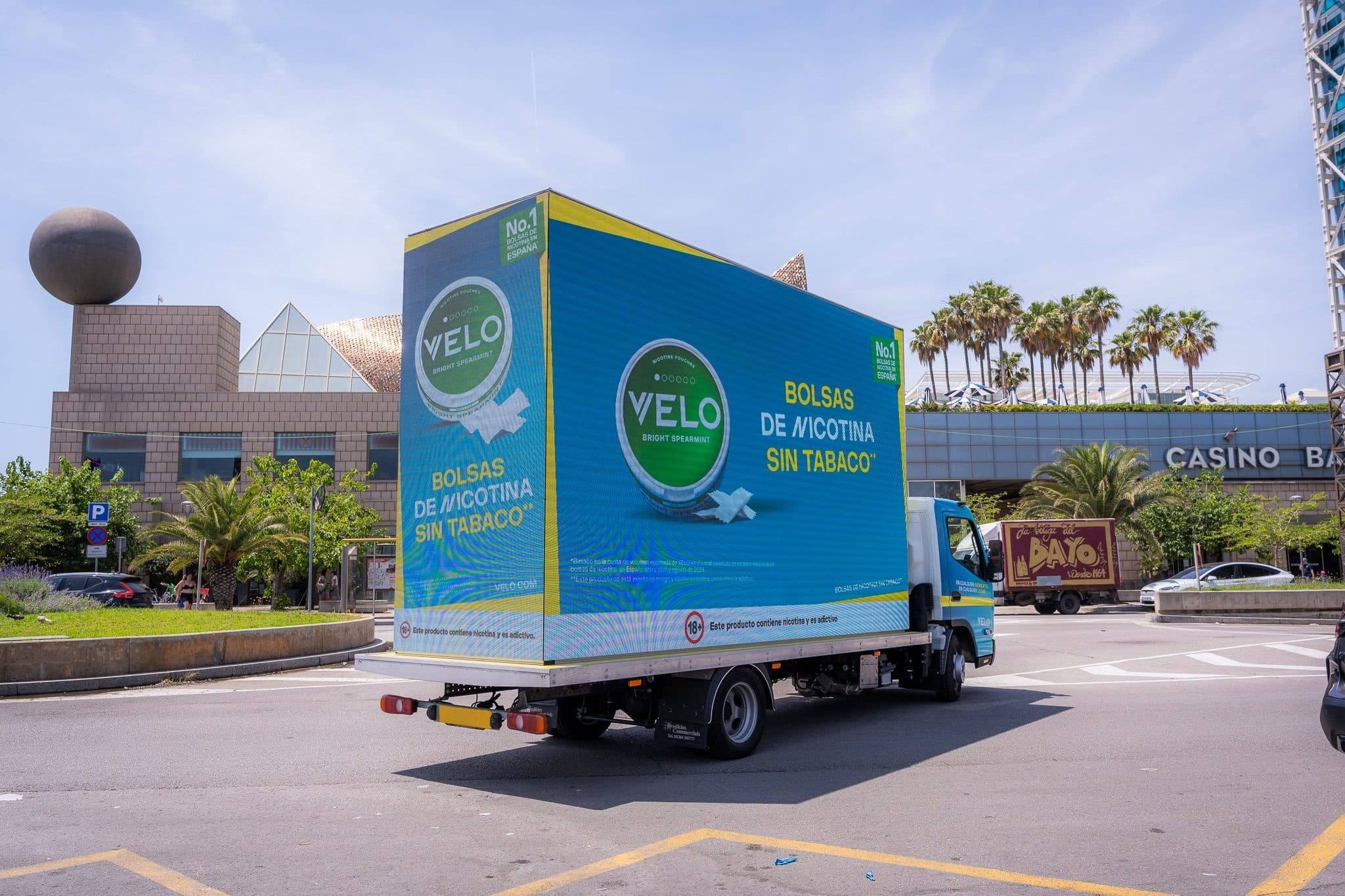
Advan advertising, more commonly known as van advertising, has become one of the most practical and visible ways to reach audiences in real-world environments. Unlike static formats, vans physically move through the spaces where people live, shop, commute, and attend events. As a result, brands are no longer limited to fixed impressions.
With the growth of digital OOH advertising and mobile billboard advertising, businesses now have far greater control over targeting. For example, campaigns can focus on commuter routes in Central London during rush hour, retail parks in Manchester on weekends, or stadium zones during match days. However, visibility alone is not enough. To truly maximise results, your AdVan campaign must combine creative execution, intelligent route planning, and precise timing.
In the following guide, we’ll break down how to structure a high-performing van advertising campaign that delivers measurable ROI — not just impressions.
Understand the Benefits of Van Advertising
Van advertising offers several advantages compared to traditional advertising boards or static outdoor advertising boards. While billboards rely on location permanence, vans rely on movement — and that difference changes everything.
- Mobility: Unlike fixed billboard advertising UK placements, vans travel through high-traffic streets, retail hubs, business districts, and event spaces. Consequently, your brand reaches multiple micro-locations within a single campaign day.
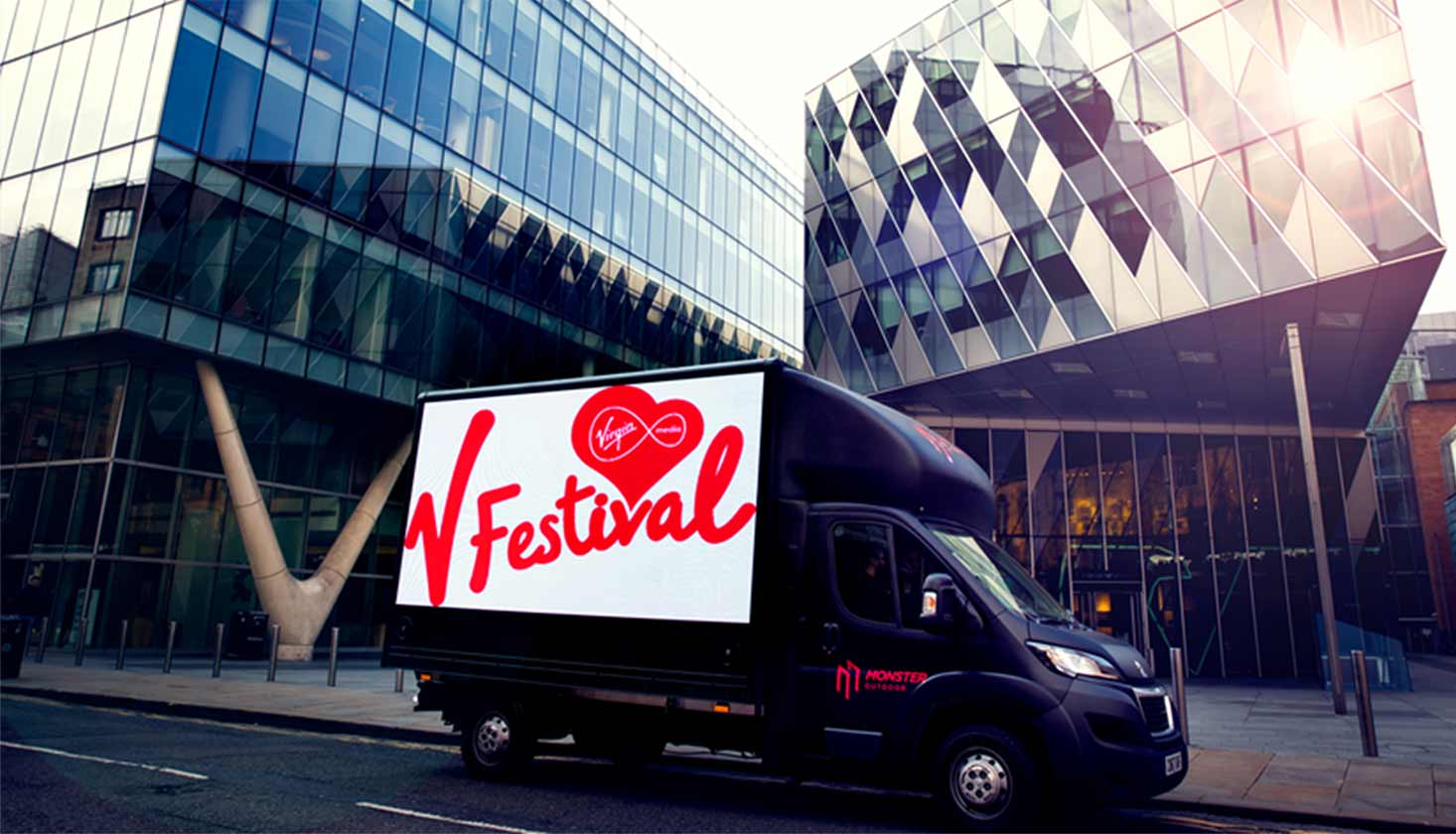
- High Visibility: Digital vans equipped with LED advertising screens or street advertising screens naturally attract attention. Movement plus illumination creates a visibility advantage, particularly in crowded city centres.
- Real-time Updates: With digital display screens UK, messaging can change instantly. Therefore, brands can adapt promotions to time-sensitive offers, weather conditions, or live events.
- Cost Efficiency: Compared to long-term outdoor advertising UK contracts, advan advertising rentals allow flexible scheduling. This means you only pay for active exposure windows.
When used strategically, these advantages compound. Mobility increases impressions, digital screens increase engagement, and smart targeting increases conversions.
Choose the Right Format
Not all AdVan campaigns are built the same. In fact, format selection directly affects performance.
- Static Van Advertising: Wrapped vans using advertising boards or football advertising boards graphics are ideal for brand awareness. They are cost-effective and work well for longer-duration presence.
- Digital Ad Vans: These are designed for digital out of home advertising, digital billboard advertising UK, and digital display screens UK. Because they allow motion graphics and animated visuals, engagement rates are typically higher.
Generally speaking, if your objective is simple brand reinforcement, static may suffice. However, if your goal is product launches, event targeting, or interactive engagement, digital vans usually outperform.
Know Your Target Audience
Even the most visually striking van advertising campaign will underperform if it’s shown to the wrong audience. Therefore, audience alignment must come first.
- Demographics: Consider age, lifestyle, income bracket, and interests. A fashion brand targeting Gen Z, for instance, may focus near universities or shopping districts.
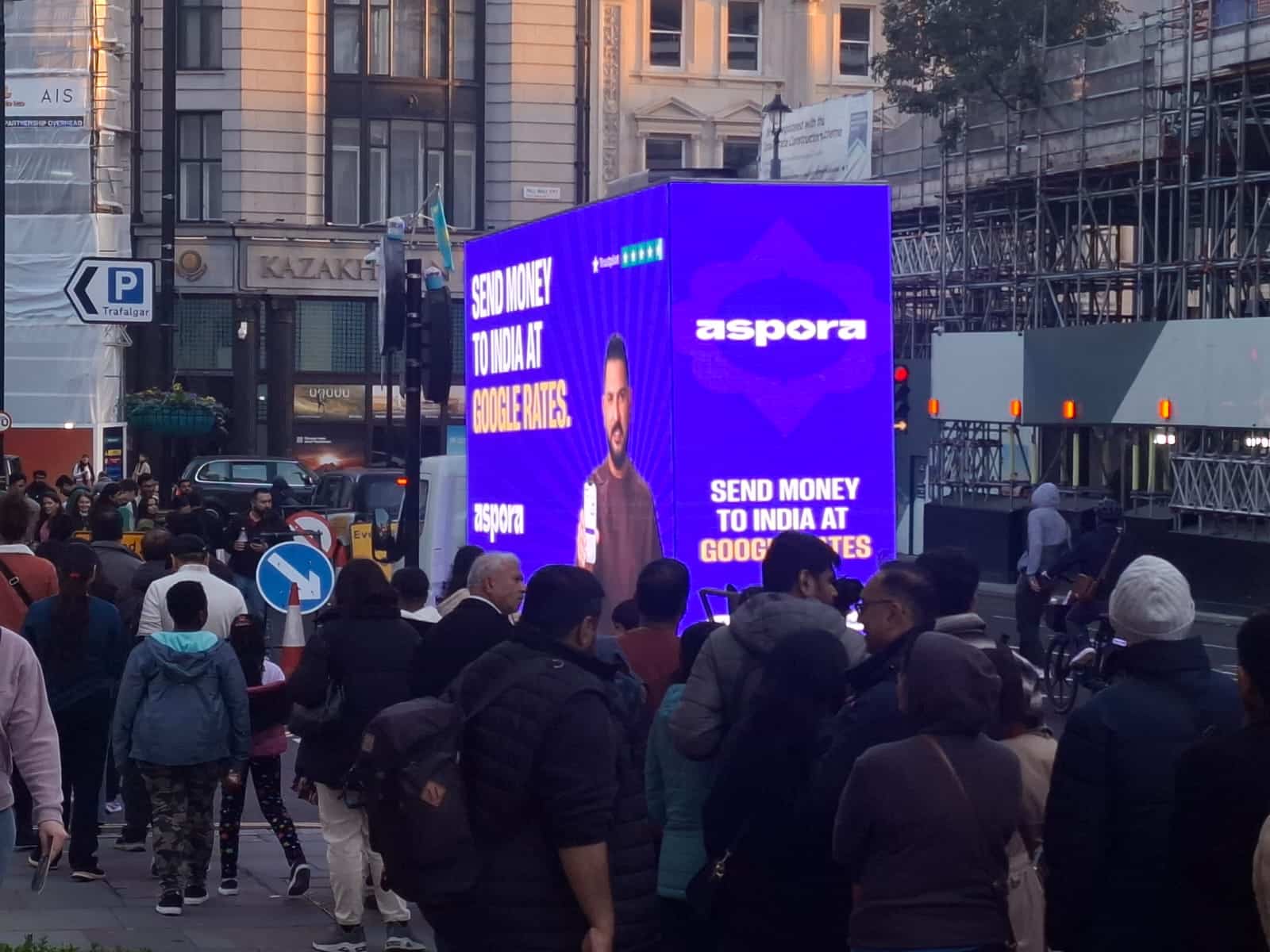
- Locations: Busy commuter corridors, retail parks, stadium surroundings, and transport hubs are particularly effective for street advertising screens and mobile billboard advertising.
- Timing: Weekday commuter hours differ significantly from weekend retail traffic. As a result, scheduling should reflect behavioural patterns.
When location and timing align with demographic behaviour, recall improves naturally.
Make Your AdVan Eye-Catching
Urban environments are saturated with advertising. Consequently, your advertising van must break through visual noise.
- Use high-resolution LED advertising screens or digital display screens UK for clarity.
- Keep messaging concise. Short headlines outperform text-heavy layouts.
- Incorporate bold brand colours for fast recognition.
- Combine digital outdoor advertising with QR codes or timed call-to-action prompts.
Importantly, design should match viewing conditions. Drivers have seconds. Pedestrians have slightly longer. Therefore, message complexity should reflect environment.
Select the Best Locations
Location planning can determine whether your campaign performs moderately — or exceptionally.
- High-footfall city streets maximise mobile billboard advertising exposure.
- Event venues and stadium zones amplify visibility for football advertising boards and street advertising screens.
- Retail parks allow purchase-intent targeting.
Rather than choosing routes randomly, analyse footfall density and competitor proximity. Strategic positioning increases frequency without increasing cost.
Optimize Campaign Timing
Timing influences impression quality as much as location.
- Rush Hours: Target office commuters with moving advertising billboard vans.
- Weekends: Focus on retail and leisure districts.
- Seasonal Windows: Align with holidays, sporting fixtures, or promotional launches.
Because digital out of home advertising allows content flexibility, messaging can shift throughout the day to reflect audience mood and context.
Run Your Campaign for Sufficient Duration
Frequency drives memory. Therefore, short bursts may generate visibility but not recall.
- Multiple exposures reinforce recognition.
- Extended routes increase geographic coverage.
- Consistent presence builds brand familiarity.
In most cases, multi-day or multi-week van advertising campaigns outperform single-day activations unless tied to major events.
Customize Your Van Advertising
One of the greatest strengths of advan advertising is creative flexibility.
- Install street advertising screens and LED advertising screens for dynamic visuals.
- Align brand colours and typography for consistency.
- Add interactive prompts for measurable engagement.
When branding is consistent across vehicles, recall multiplies across city zones.
Track Your Results
Campaign success should be measurable.
- Impressions: Estimate exposure using route analytics.
- Engagement: Track scans, clicks, and social mentions.
- ROI: Compare cost versus lead generation or conversions.
Because digital display screens UK enable performance tracking, optimisation becomes easier with each campaign cycle.
Benefits of Van Advertising
- High Impact Advertising
- Targeted Placement
- Cost Efficiency
- Customizable Designs
- Measurable Results
FAQs About Van Advertising
Q: How much does van advertising cost in the UK?
Costs depend on duration, format, and digital features. Rental options are typically more affordable than ownership.
Q: Is digital van advertising better than static boards?
Yes. Digital OOH advertising provides motion, flexibility, and real-time updates that static outdoor advertising boards cannot offer.
Conclusion:
A strategically planned AdVan campaign combines mobility, digital visibility, and audience targeting. When executed correctly — with the right routes, creative design, and performance tracking van advertising becomes more than exposure. It becomes influence.
Read It. Now Drive It.
Put your brand on a 35sqm Monster AdVan. Get a free quote for your next campaign.
Get A Free Quote