Outline of Topics
- What is Bike Lane Advertising and How Does It Work?
- Why Bike Advertising Is Gaining Momentum Across the UK
- What Makes Cyclists a Valuable Target Audience?
- How to Plan a Successful Bike Ad Campaign
- What Kind of Messages Work Best in Cycle Campaigns?
- What Role Does Bike Infrastructure Play in Ad Effectiveness?
- Is Bike Lane Advertising Suitable for All Industries?
- Where Are the Best Routes for Targeting Riders?
- How Do E-Bikes and Electric Advertising Bikes Impact the Campaign Landscape?
- What Are the Long-Term Benefits of Mobile Billboard Advertising Along Bike Paths?
What is Bike Lane Advertising and How Does It Work?
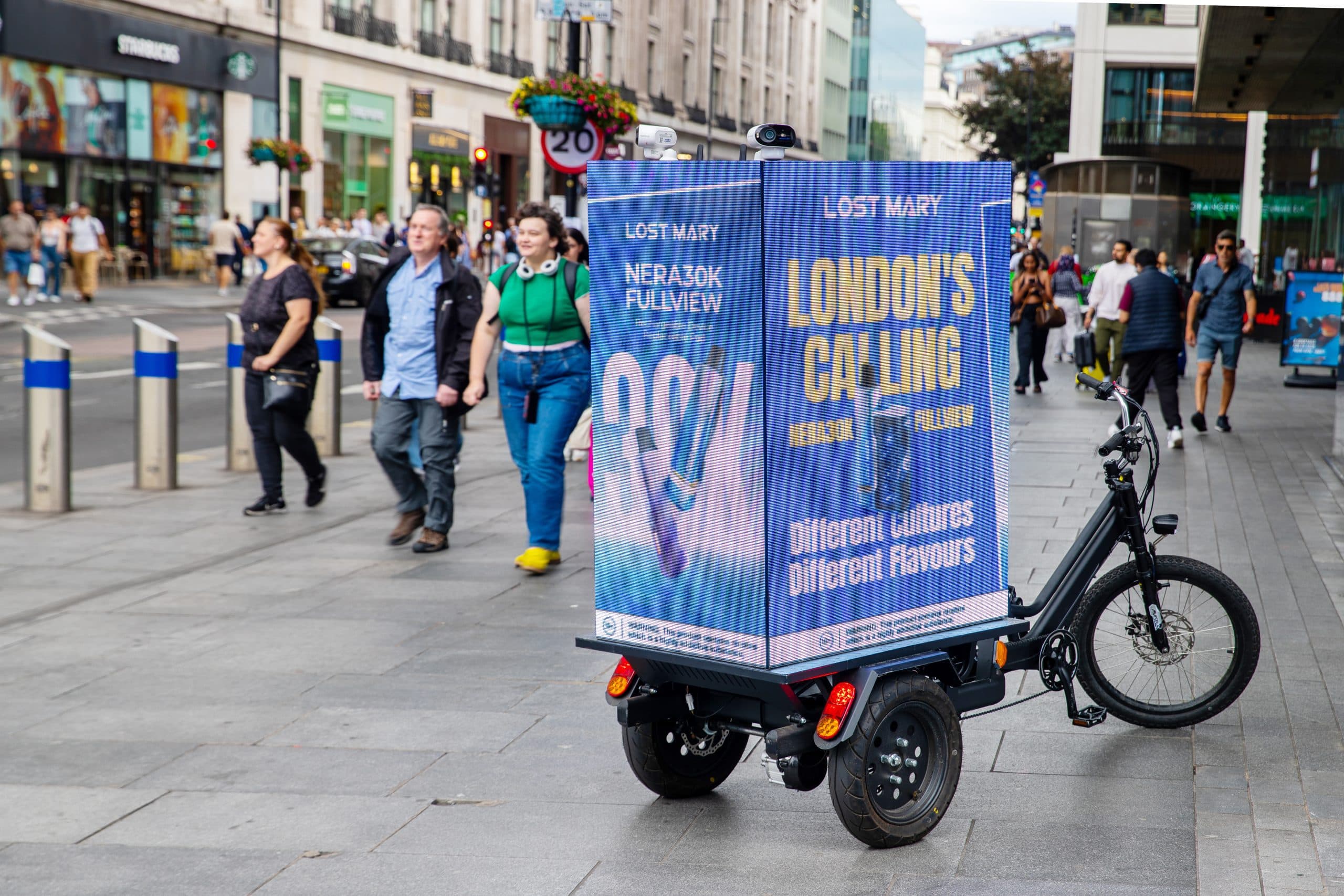
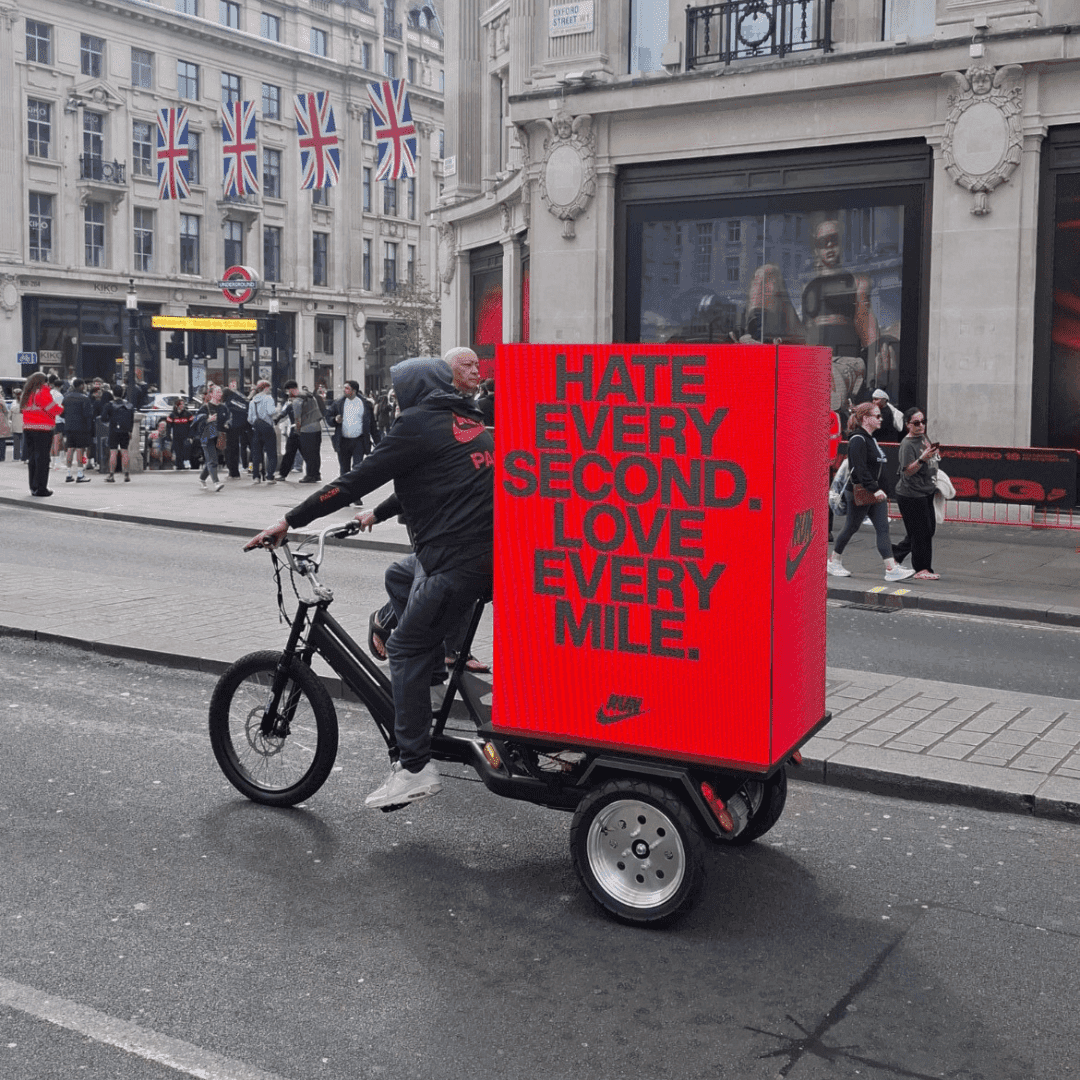
Bike lane advertising refers to promotional displays placed along dedicated bike routes and cycle lanes to engage bike riders directly. These may appear on mobile screens, digital trailers, bicycle attachments, or fixed panels alongside cycle paths. These high-footfall zones are ideal for visibility without adding to street clutter.
In UK cities with well-established bike infrastructure like London, Bristol or Cambridge, this method can reach thousands of daily commuters. It uses a low-cost, location-specific approach to improve brand exposure, making it ideal for local businesses as well as national advertisers seeking localised impact.
Why Bike Advertising Is Gaining Momentum Across the UK
Across the UK, urban areas are expanding cycling and walking networks in line with climate and congestion-reduction goals. Local councils are prioritising cycle lanes, giving brands new ways to promote products and services while aligning with sustainability objectives.
The rise in micromobility,including e-bikes, scooters, and shared electric bikes,has opened up even more potential. These users often travel further and more frequently, offering greater and more consistent exposure for advertisements along their daily route.
What Makes Cyclists a Valuable Target Audience?
The modern UK cyclist is typically urban, environmentally conscious, and digitally connected. They represent a valuable target audience for eco-brands, urban services, tech firms, local events, and health-related products.
Because many bike users follow habitual travel patterns, placing a bold and relevant ad along their commuting path means repeated brand exposure, which strengthens recall and improves campaign ROI.
How to Plan a Successful Bike Ad Campaign
The key to any successful bike ad campaign is selecting the right location. High-density bike lane zones such as those near railway stations, business parks, and university campuses offer prime exposure. Be sure to also consider areas with ample bike parking.
Campaign creatives must be clean and concise. Use bold visuals, a prominent logo, and, where appropriate, a QR code or dynamic screen interaction. Spring and summer are ideal for campaigns due to increased bike usage.
What Kind of Messages Work Best in Cycle Campaigns?
Messages in bike lane advertising need to be understood at a glance. Cyclists are moving, so clarity and contrast are critical. Messages focusing on local identity, sustainability, convenience, or health often perform best.
Campaigns that support community initiatives or involve bike advocates,such as promoting safety gear or local cycling events,often see greater engagement due to their alignment with rider values and public advocacy themes.
What Role Does Bike Infrastructure Play in Ad Effectiveness?
Well-maintained bike infrastructure enhances visibility, safety, and the dwell time of bike riders near ad placements. Clear signage, smooth cycle lanes, and reliable lighting increase the chances of the advertisement being noticed and remembered.
Poorly maintained areas, however, can hinder effectiveness. Collaborating with local councils or cycling organisations can help secure high-performing locations and ensure campaign success.
Is Bike Lane Advertising Suitable for All Industries?
Yes, with the right strategy. While bike advertising naturally suits local businesses, food and drink, eco-products, health services, and events, other industries can also benefit. Even financial services or educational campaigns can work effectively when tailored to the urban cyclist demographic.
That said, success relies on understanding the target audience and creating visuals and messaging that resonate during their ride.
Where Are the Best Routes for Targeting Riders?
The UK offers a growing number of high-traffic cycle routes ideal for advertising. Examples include:
- London: Cycle Superhighways (CS3, CS7, etc.)
- Manchester: Oxford Road Corridor
- Bristol: Bristol-Bath Railway Path
- Cambridge: City-wide commuter trails
Selecting a route with high commuter or leisure traffic ensures your bike ad reaches the right people in the right context.
How Do E-Bikes and Electric Bikes Impact the Campaign Landscape?
The rise of electric bikes and e-bikes means that messages need to be shorter and more visually striking, as these riders move faster than average cyclists. However, they also cover longer distances, increasing the geographic range of your campaign.
Campaigns targeting this group should reflect their values,technology, speed, and innovation,and use dynamic displays where possible to maintain engagement.
What Are the Long-Term Benefits of Advertising Along Bike Paths?
Advertising along bike paths offers strong long-term brand visibility, community connection, and alignment with environmental goals. It’s not just about awareness,it’s about embedding your brand within a lifestyle that more and more Britons are embracing.
Because bike riders often follow the same route daily, your message is reinforced repeatedly. This makes bike lane advertising an ideal strategy for building trust and familiarity over time.
Key Takeaways
- Bike lane advertising is a powerful tool for UK brands targeting urban and eco-conscious audiences.
- Campaign effectiveness depends on smart placement, clear visuals, and alignment with local values.
- Cities like London, Bristol, and Cambridge offer excellent infrastructure for bike ad placement.
- The rise of electric bikes introduces new dynamics and opportunities for innovative messaging.
- Strong campaigns support advocacy, health, and community while offering low-cost, high-frequency exposure.